

A Free Now Foundation Exclusive
Another Texas child has died amid the state’s intensifying measles outbreak; the second confirmed death this year. While the death was initially blamed on measles, medical professionals have since clarified that it was a medically complex case involving an unrelated chronic viral infection compounded by additional infections, ultimately resulting in sepsis. In the 1960s, just before the measles vaccine hit the market, the case fatality rate in the United States was about 1 death per 10,000 measles cases. Right now it appears to be 1 death per 300 cases. That’s more than a 3,000% increase in fatal outcomes. Is treating measles a lost art in the US? Is it forgotten knowledge? Is it like how NASA says they don’t know how to go back to the moon anymore because they forgot how to build the right space ship?
This is not the “mild childhood illness” people remember, nor is it unfolding the way public health officials are describing. And now, we’re learning that the latest victim, an 8-year-old girl, had already recovered from measles weeks before acquiring an unrelated infection.
According to reporting by Dr. Robert Malone, an unnamed trusted physician revealed that the child was hospitalized not for measles, but for a severe bacterial blood infection known as sepsis, which led to acute respiratory distress syndrome (ARDS), which is a condition that prevents the lungs from getting enough oxygen into the bloodstream.
That doctor shared with Dr. Malone that the child had been sick for months with chronic mononucleosis (caused by the Epstein-Barr virus, or EBV) and chronic tonsillitis. Her parents had reportedly been arranging a tonsillectomy, but before the surgery could take place, she developed sepsis. Blood cultures taken during her hospitalization reportedly showed gram-positive cocci, suggesting the infection was caused by either Staphylococcus aureus or Streptococcus pneumoniae.
This is tragic and it is also medically complex. It deserves transparency from the hospital and media covering the story. Instead, the hospital described her cause of death as “measles pulmonary failure.” They further said the child was not vaccinated and had no reported underlying conditions.
No underlying conditions?
Allegedly she had already recovered from measles. She had chronic tonsillitis. She had long-term Epstein-Barr virus — one of the most common childhood viral infections, for which there is no vaccine, and which in rare cases can lead to chronic immune complications. She had been sick for months. Her immune system was clearly vulnerable.
Yet, this child’s death was counted in the measles fatality column, and presented to the public as another case of unvaccinated measles death, no questions asked. In the spring of 2020, the CDC issued special guidance for completing death certificates related to COVID-19, departing from the longstanding standard used for all other causes of death. Traditionally, death certificates prioritize listing the longest-standing condition as the underlying cause, with any recent or acute illnesses (like infections) appearing later in the causal chain. However, under the new COVID-specific guidelines, COVID-19 could be listed as the primary cause of death even when it was a recent infection in a patient with serious chronic conditions. This shift created a double standard in death reporting, as no such reclassification was made for any other infectious disease; not for influenza, RSV, or measles. Today, we’re seeing that same COVID-era logic being quietly extended to measles, with deaths now attributed to measles weeks after a patient has recovered, despite other, more immediate causes, such as sepsis or complications from Epstein-Barr virus, being present.
A Pattern of Confusion and Concealment
This is the third severe pediatric measles case in Texas in just a few months. As we reported in our first article, a 6-year-old girl died in February. In our second report, we covered a 4-year-old boy who was hospitalized in critical condition but survived. Now, this 8-year-old girl has died, and officials seem to be obscuring rather than clarifying the circumstances.
Dr. Malone writes that his source, a physician with knowledge of the case, said the child developed ARDS after sepsis. The reporting suggests the child’s lungs “turned white,” consistent with respiratory failure.
And here’s where it gets even more troubling: Dr. Malone notes the family had requested nebulized budesonide as part of her care, but the hospital refused, opting instead for systemic corticosteroids, “and appear to have treated her as if she was suffering from COVID rather than ARDS.”
Malone argues budesonide would have been the superior treatment, especially considering the child’s pre-existing immune challenges. But a pediatric intensivist, Dr. Paul Halczenko, responded to Malone’s article from the comments, raising major red flags about that claim.
“The standard of care for ARDS in adults and children is corticosteroids,” Halczenko wrote. “I don’t know any of my colleagues in pediatric critical care who would consider budesonide as not only ‘standard of care’ for pediatric ARDS but superior to systemic glucocorticoids.”
Dr. Halczenko reviewed the only study Malone cited, which was a small trial in Egypt, published in the Saudi Journal of Anesthesia involving 60 adults. The average age in the study was 57, with mixed causes of ARDS, making it irrelevant to pediatric care in the U.S.
Which raises the question, why are families forced to debate unsettled scientific protocols in the middle of a medical emergency?
Was This About Medicine — or Reimbursement?
This raises another critical question: Were financial incentives influencing this child’s care?
We learned during the COVID-19 pandemic that diagnosis codes could affect hospital revenue. Could this hospital have been reimbursed more for coding and treating ARDS using COVID-era protocols than for treating measles-related complications with vitamin A or nebulized therapies?
Hospitals may deny it, but we saw with our own eyes that in a system where reimbursement is tied to coding and protocols, hospitals made a grab for the bigger bucks.
Was the Public Misled About Vitamin A Toxicity?
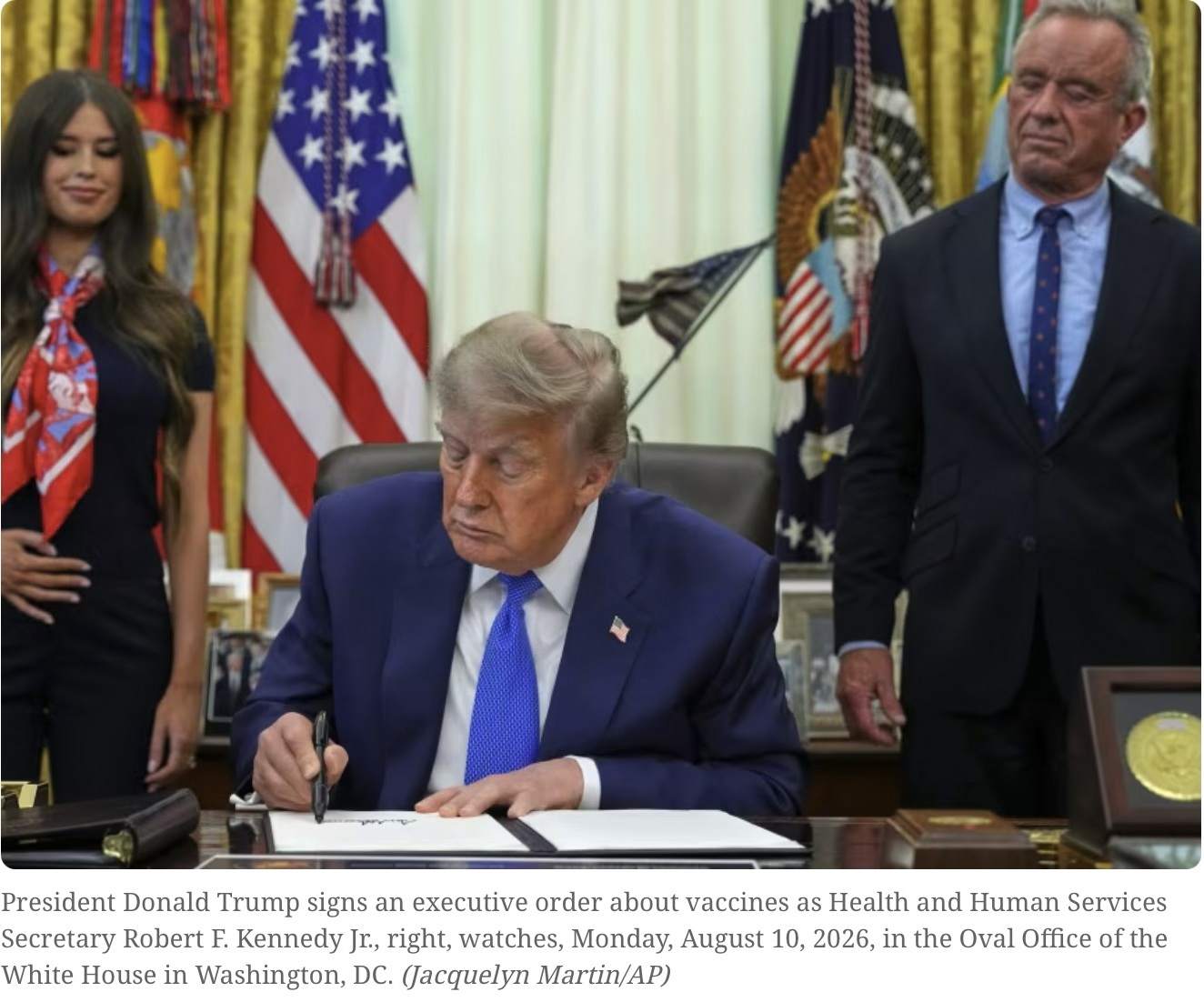
Meanwhile, a new media campaign has erupted, targeting the use of vitamin A in measles care. A recent article in The Telegraph claimed that children in Texas were “poisoned” by vitamin A, implying that treatments promoted by HHS Secretary Robert Kennedy Jr. were harmful.
But that claim is already falling apart. Children’s Health Defense responded on April 8, citing World Health Organization guidelines, which explicitly recommend 200,000 IU of vitamin A for children over one-year-old diagnosed with measles.
“Multiple studies have confirmed that vitamin A significantly reduces mortality and complications in children with measles,” CHD wrote. “The WHO recommends two doses of vitamin A for all children diagnosed with measles.”
In other words: what The Telegraph framed as dangerous was actually standard medical care, endorsed globally.
So why the scare headlines? Who benefits from public confusion around vitamin A, a nutrient known to support immune function in children with viral illness?
Lubbock Doctor Warns Against Vitamin A
Dr. Richard Bartlett, the Lubbock doctor who you should remember as the intervening force in the four-year-old child’s case, recently appeared on the Fierce Immunity podcast with Mikki Willis and Chris Roy and issued a chilling warning about the Texas outbreak (see minute 00:51:45).
“Vitamin A and vitamin D did not turn the tide. This is not acting like measles in the books. But we did see a big improvement when we used the tools like budesonide in nebulizer treatment form. I would not put my life in the hands of vitamin A with this.”
Which leads to the question…
What Strain Are We Dealing With?
The strain driving the current U.S. outbreak is genotype D8, which is not new, nor is it more lethal than other known measles strains. D8 has been circulating globally for decades and was also responsible for the deadly 2019 outbreak in Samoa, where widespread nutrient deficiencies played a major role in causing fatalities. Many Samoan children were severely protein- and micronutrient-deficient, leaving them immunocompromised and highly vulnerable to complications from measles. All known measles genotypes, including D8, belong to the same serotype and should allegedly be neutralized by the MMR vaccine. There is no evidence that D8 is inherently more virulent; rather, rising case fatality rates in recent outbreaks appear to reflect systemic failures in care, delayed treatment, preexisting health vulnerabilities, and flat-out misclassifications of causes of death.
However, in an interview with The Guardian at his daughter’s funeral, the eight-year-old’s father, identified as Hildebrand, said:
“I know [the vaccine] is not effective because some family members ended up getting the vaccine, and they got the measles way worse than some of my kids,” he said. “The vaccine was not effective.”
Why are vaccinated individuals still getting sick? Why are the unvaccinated being blamed when the cases appear to be complex, post-viral, and potentially secondary infections — like in this child, who had already recovered from measles?
This Isn’t Transparency. This Is Narrative Control.
We have:
- Two confirmed child deaths and a third near-death.
- Cases where the children had already or mostly recovered from measles.
- Another child who was reportedly given COVID-era ARDS treatment instead of measles-specific care.
- An explosion of anti-vitamin A headlines contradicting decades of medical consensus.
- Financial incentives that may be influencing treatment protocols.
And yet, we’re expected to believe these are simple cases of vaccine hesitancy gone wrong.
We are watching the case fatality rate of measles rise dramatically. And instead of real answers, we’re being fed fear, silence, and spin. This isn’t public health. It’s public manipulation. And unless we demand full transparency, we will see more children die while medical freedom takes the blame.
Levi Quackenboss arrived on the medical freedom scene in 2015, launching one of the most viral blogs in the history of the movement. Whether it's distilling the science, explaining legal strategy, or motivating thousands of people to carry out calls to actions, LQ can be counted on to tackle issues with ferocity and humor.




0 Comments