
A Free Now Foundation Exclusive
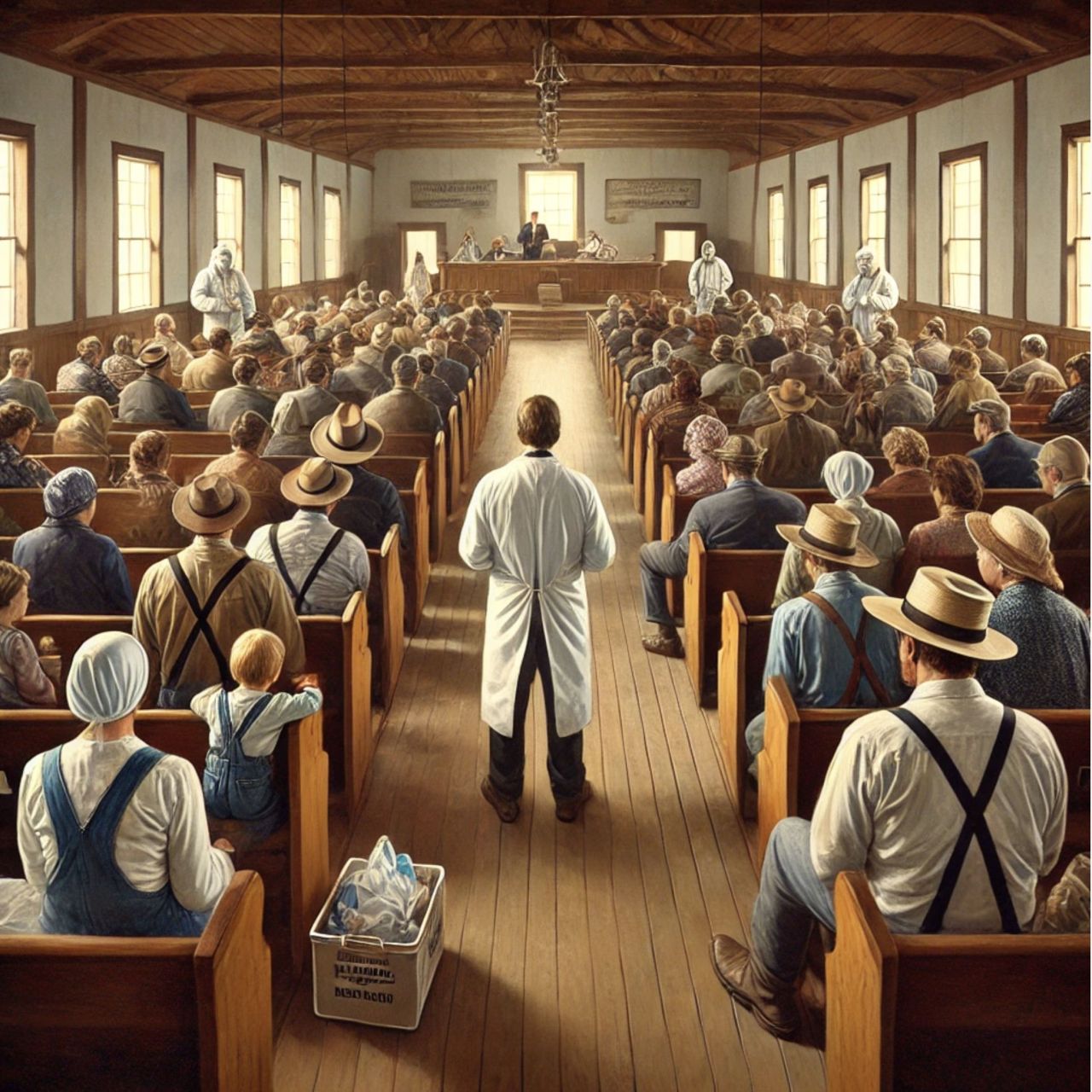
The recent measles outbreak in Texas has ignited fierce debate within public health circles, the medical freedom movement, and the broader political landscape. The affected community, largely composed of Old Colony Mennonites in Gaines County and surrounding areas, faces logistical and cultural challenges in accessing and trusting healthcare. With at least 146 confirmed cases and likely many more undocumented, public health officials are working to contain the outbreak while navigating cultural sensitivities. Tragically, public health officials report that a six-year-old girl lost her life to the infection.
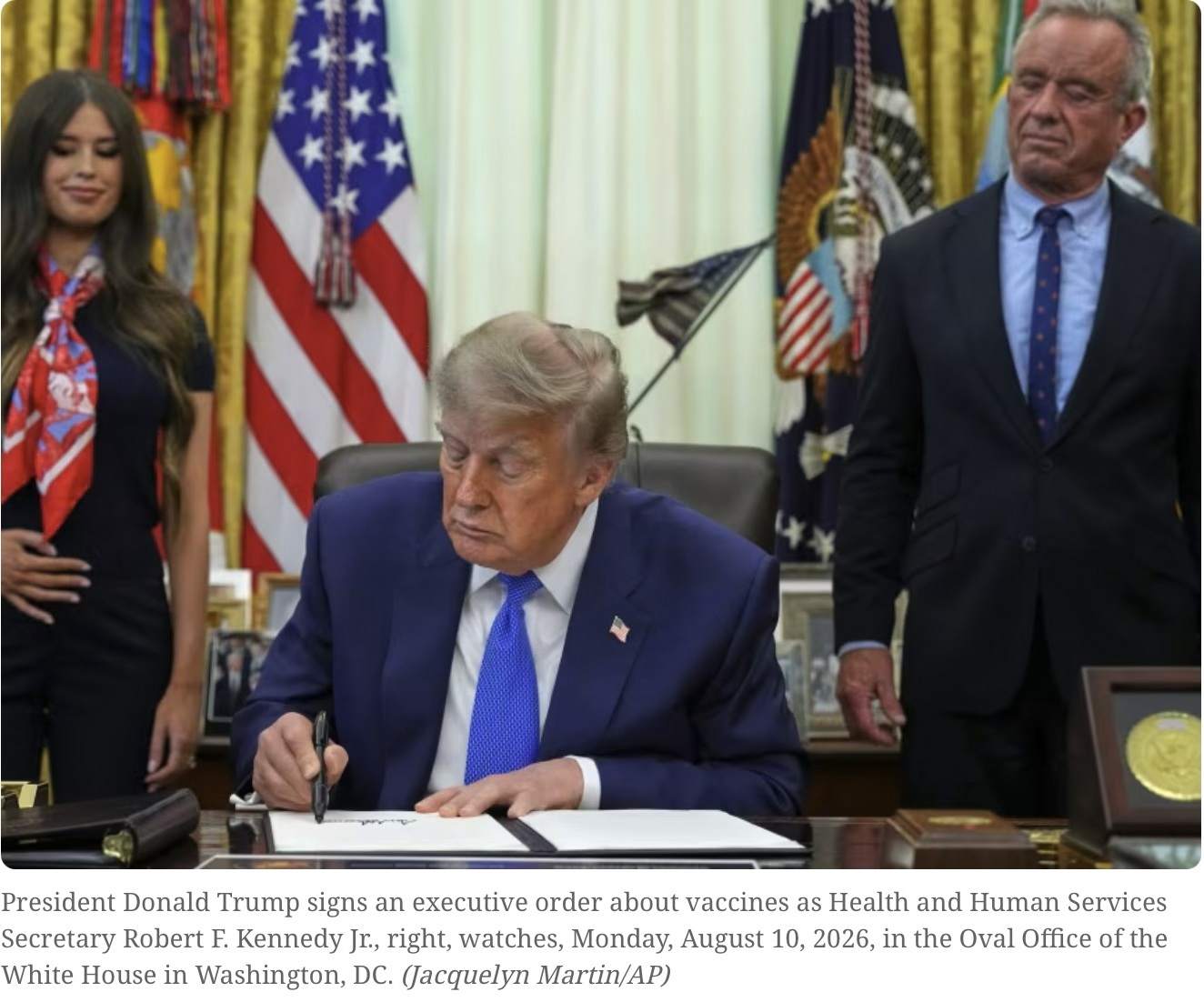
Secretary of Health and Human Services Robert Kennedy Jr.’s response to the outbreak (scroll past the measles mafia video that FOX embedded at the top) has sparked controversy, especially among those advocating for medical freedom. His language, particularly the vaccination-coercive term “community immunity,” has left many Kennedy supporters questioning if he will follow through on his Make America Healthy Again promises, and wondering if he’s been compromised, while the Texas health department’s lack of transparency regarding the child’s death leaves many unanswered questions.
The Facts of the Texas Outbreak
As of now, 146 confirmed measles cases have been reported, with actual numbers likely much higher due to underreporting. Among the confirmed cases:
- 116 are in individuals under 18 years old.
- 79 had not received the measles, mumps, and rubella (MMR) vaccine.
- 62 had unknown vaccine status.
- At least five of the infected people had received an MMR vaccine.
In the malnourished or those deficient in vitamin A, measles can be a serious illness, with rare complications including encephalitis and severe dehydration. More commonly, pneumonia can affect 1 in 20 otherwise healthy people with measles. While the death of a six-year-old girl underscores these extremely rare outcomes, reports indicate she lived over an hour from the nearest hospital, and her family had to make a difficult choice about whether to seek medical care. However, the Texas health department has not been forthcoming with crucial details about her case. Did she have other underlying health conditions? Was she treated for secondary complications? Was she administered vitamin A, and if so, when? Was she recently vaccinated or was she vaccinated after arriving at the hospital? These questions must be answered for Americans on both sides of the issue to fully understand the circumstances of her death.
Questioning Secretary Kennedy’s Response
Secretary Robert Kennedy Jr. has found himself under fire after issuing a public statement on the outbreak. While some aspects of his response are reasonable, there are key areas where supporters are right to question his statement.
What most people don’t realize is that Secretary Kennedy, still settling into his role, does not yet have a fully handpicked staff supporting his efforts. He has two people from his former campaign serving as Deputy Chief of Staff and White House Liaison, while everyone else in his office is unfamiliar to him. Additionally, he doesn’t have any key agency heads in place yet. Dr. Jay Bhattacharya, tapped to lead the National Institutes of Health, had his US Senate confirmation hearing just today. Dr. Marty Makary, Trump’s pick for the Food and Drug Administration director, will go through his hearing tomorrow. While the Centers for Disease Control director is not ordinarily put through the Senate confirmation process, former Congressman Dave Weldon will be the first to do so. Dr. Oz’s hearing doesn’t even have a date on the calendar. All of this is to say that it looks like Secretary Kennedy is an army of one at this moment, without any backup. Who assisted with drafting the FOX News opinion piece and does it have anything to do with the Assistant Secretary of Public Affairs’ resignation the very next day? That statement read:
“In response to this outbreak, I have directed the Centers for Disease Control and Prevention (CDC) and the Administration for Strategic Preparedness and Response (ASPR) to work closely with the Texas health authorities to provide comprehensive support. HHS’ efforts include offering technical assistance, laboratory support, vaccines, and therapeutic medications as needed.”
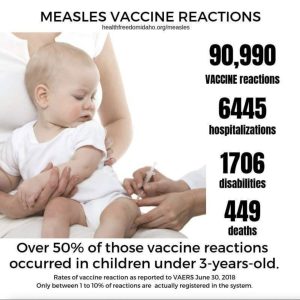
Offering support is expected, but Kennedy’s statement fails to mention any potential risks of the MMR vaccine. Does anyone think it’s reasonable that Secretary Kennedy not address the measles outbreak? Of course not. He had to say something. Did anyone think that statement was going to be devoid of the word “vaccine” when he was on day 17 of the job? Be serious. I don’t think that’s realistic, coming from the HHS Secretary. However, the MMR is not suitable for all children, particularly those with weakened immune systems or other contraindications. So, knowing Kennedy’s pre-HHS stance on vaccines, it’s surprising there was no mention of the very real adverse reactions. In fact, a Cochrane Library review of more than 60 measles vaccine studies found that the design and reporting of MMR safety studies is shockingly inadequate across the board. Despite repeated public health assurances of vaccine safety, MMR safety research cannot prove that the vaccine causes less death or permanent injury than measles itself.
Another quote from Secretary Kennedy’s statement:
“As healthcare providers, community leaders, and policymakers, we have a shared responsibility to protect public health. This includes ensuring that accurate information about vaccine safety and efficacy is disseminated. We must engage with communities to understand their concerns, provide culturally competent education, and make vaccines readily accessible for all those who want them.”
Applause all around for Kennedy for including a statement acknowledging that vaccine safety is an issue. Informed consent–which should normally include a healthcare provider informing a patient of both benefits and risks–has been woefully inadequate for vaccines. It is usually limited to the bare minimum legal requirement: handing a pastel-colored leaflet to the patient or the parent. We also deeply appreciate him pointing out that not all people want measles vaccines. That’s refreshing for HHS.
But this is the paragraph that shook many vaccine safety advocates to the core:
“Parents play a pivotal role in safeguarding their children’s health. All parents should consult with their healthcare providers to understand their options to get the MMR vaccine. The decision to vaccinate is a personal one. Vaccines not only protect individual children from measles, but also contribute to community immunity, protecting those who are unable to be vaccinated due to medical reasons.”
To Kennedy’s credit, this entire paragraph is more balanced than something we normally hear from HHS, and we love the emphasis on vaccination being a personal decision. But when have we ever vaccinated our way out of an outbreak?
Most importantly, “community immunity” is a coercive “for the greater good” phrase used to guilt people into taking a vaccine. To those who are vaccine-injured or who have vaccine-injured children, this phrase sounds callous, and is taken as: “Your or your child’s life-long suffering or death from taking a vaccine doesn’t matter because the herd is more important than you or your kids.” The vaccine injured would like to know how many sacrifices of health, livelihoods, and lives is worth this mythical vaccine-induced herd immunity.
The original concept of community immunity, which is a modern rebranding of herd immunity, refers to a natural process where diseases circulate in an animal herd. Survivors develop long-term immunity (and when there are survivors, that means there were also fatalities), and maternal antibodies are passed in utero and through breast milk to protect vulnerable infants. Herd immunity never meant disease eradication; it meant there was homeostasis, and disease outbreaks came in predictable cycles when there were enough young members of the herd who hadn’t been exposed. Pre-1963 natural herd immunity to measles meant:
- Infants were protected by strong maternal antibodies passed from naturally immune mothers.
- Measles outbreaks occurred every three years, not annually, as a result of natural cycles in population immunity.
- Low-level exposure continued to boost immunity over time, reducing the severity of cases.
- Over generations, genetic resilience to measles increased within populations.
Post-1963, the measles vaccine disrupted this natural equilibrium.
In addition, measles vaccination cannot achieve herd immunity for several reasons. According to the CDC, up to 10% of people who receive a measles vaccine experience primary vaccine failure, which means they don’t make measles antibodies. A second dose of measles vaccine can create antibodies in some of those non-responders, but only for a short period of time. In addition, the measles vaccine shifted infection risk toward younger, more vulnerable infants who no longer receive natural measles antibodies from their mothers. Furthermore, measles vaccine antibodies wane as early as the teenage years, and do not offer lifelong protection when compared to recovering from a natural measles infection. For this reason, Columbia University mathematician Awi Federgruen and Dr. Daniel Berman, an infectious disease specialist at Albert Einstein Hospital, co-wrote an article in the New York Daily news explaining why vaccine herd immunity cannot exist in densely populated cities–because the vaccination rate would need to exceed 100% of the population.
Kennedy continued:
“Tens of thousands died with, or of, measles annually in 19th-century America. By 1960—before the vaccine’s introduction—improvements in sanitation and nutrition had eliminated 98% of measles deaths. Good nutrition remains a best defense against most chronic and infectious illnesses. Vitamins A, C, and D, and foods rich in vitamins B12, C, and E should be part of a balanced diet.”
This is a reasonable statement, as it acknowledges the significant role of nutrition in disease outcomes. Since nutrition is so critical, we hope the new HHS will consider distributing vitamin A supplements widely in the affected community. The CDC recently updated recommendations to include vitamin A treatment for measles, but is it actually being administered in Texas? Are families being educated about how to implement nutritional defenses at home? Public health agencies must be held accountable for more than just promoting vaccines, especially if there is a solution to a health issue that, like vitamin A, carries a lower risk of adverse events.
Public Health’s Reputation: A Crisis of Its Own Making
The erosion of public trust in health authorities is not accidental—it is the direct result of repeated instances of dishonesty and opportunistic policymaking.
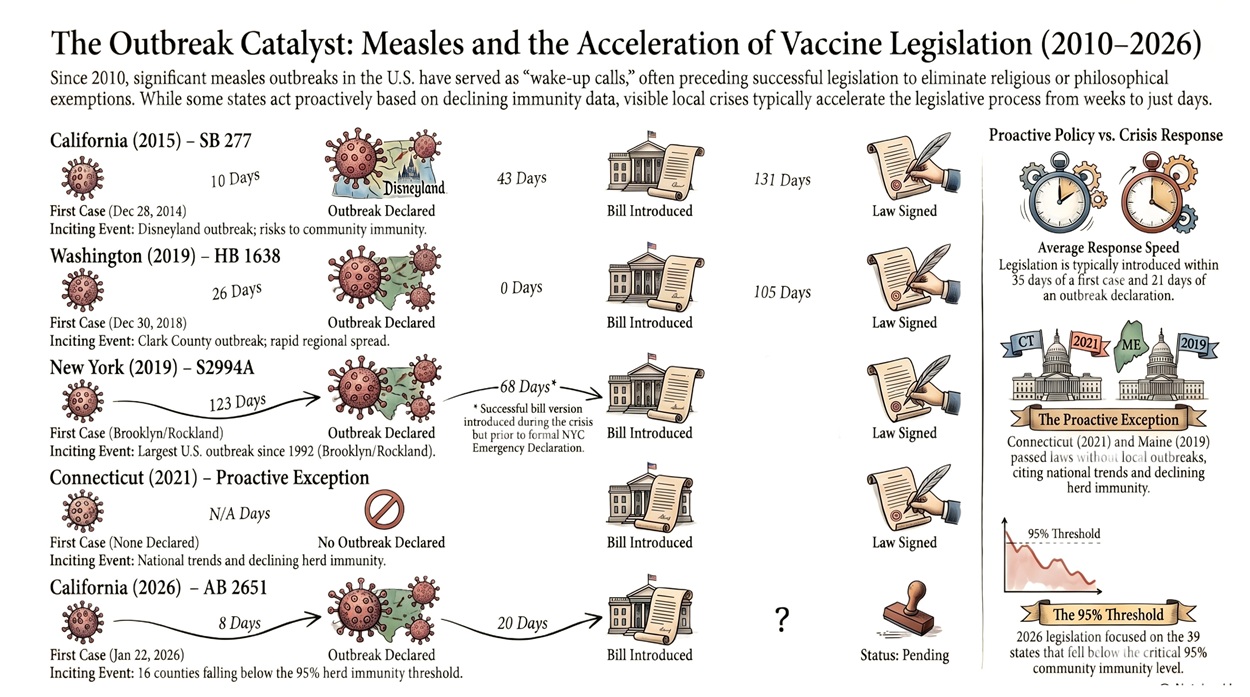
The Disneyland Outbreak and California’s SB 277
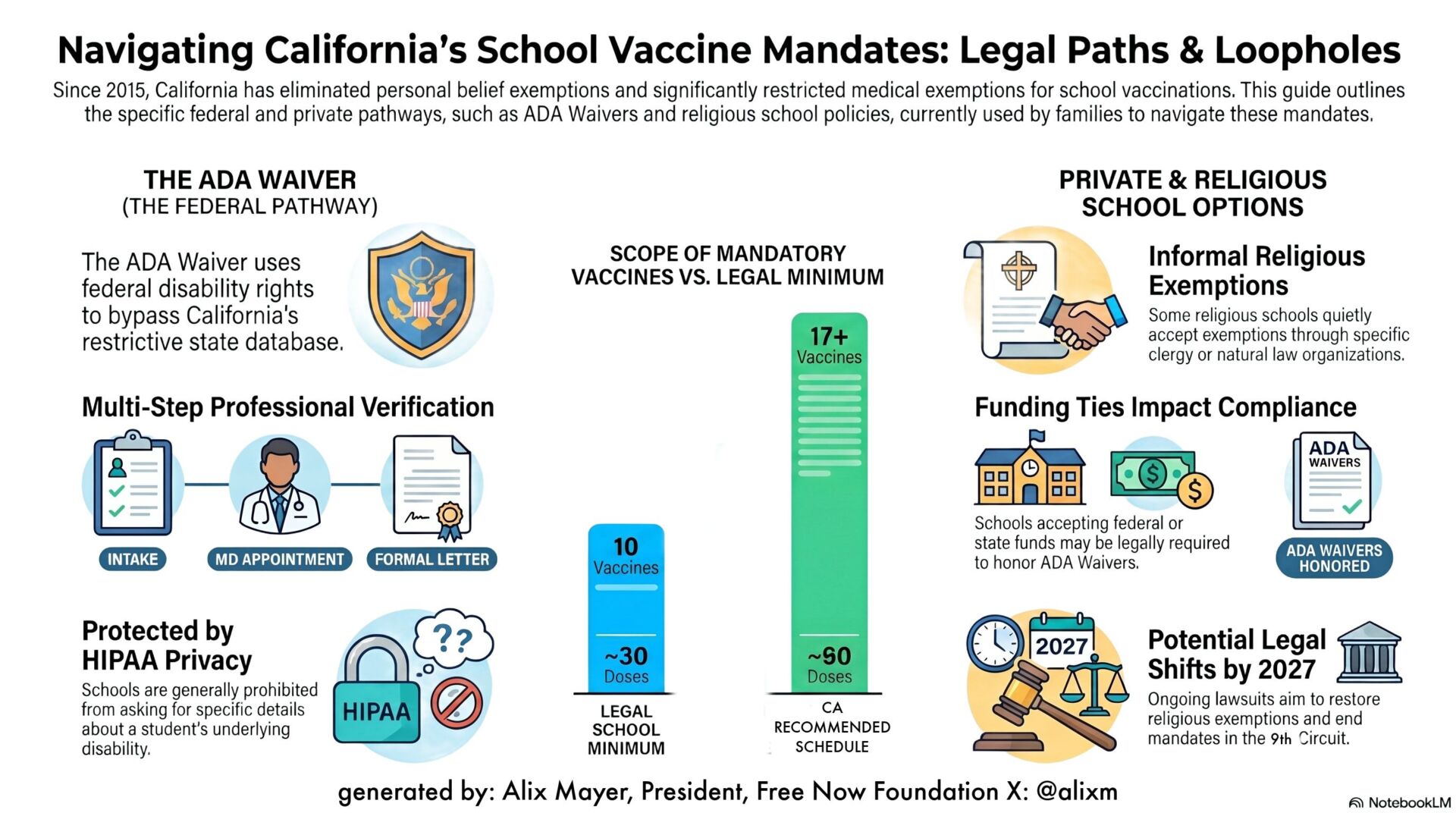
The December 2014–February 2015 measles outbreak at Disneyland was used to push California’s SB 277 into law, stripping parents of the right to make vaccine decisions for their children if they wished to access public education. The bill’s ultimate passage was based on fear, despite the fact that measles had not been a serious public health threat in decades. Instead of addressing individual cases or medical freedom concerns, public health officials capitalized on the outbreak to expand government control over medical choices.
The Manufactured 2019 Measles Emergency in Washington
During the 2019 measles outbreak in Washington, Governor Jay Inslee declared a “state of emergency” and even deployed the military to manage what was, at best, a minor public health event. However, recent revelations suggest that the outbreak may have been fabricated to manipulate legislation. In a February 12, 2025, article, Substack writer JB Handley published testimony from a former fiscal analyst at the Oregon Health Authority, who stated:
“The 2019 measles outbreak in Vancouver/Portland was fake. They made it up in order to change Washington’s law. I know because when I was writing SQL queries on the sentinel database, I tried testing it against that database and nothing came up… I found memos that they were contracting with a PR firm to promote the fake outbreak in order to pass the bill.”
If true, this revelation is damning evidence that public health officials manipulated data and manufactured fear to pass restrictive legislation. These actions only fuel skepticism toward public health institutions, making it clear that the trust deficit is a problem of their own making.
Demanding Transparency and a Full Investigation
The Texas health department’s information gatekeeping around the deceased child is fueling this distrust. This is an opportunity for an important case study, yet the agency has shared very little about her condition. Key questions remain:
- What were her symptoms upon admission?
- Did she have any pre-existing conditions or unrelated infections?
- What strain or strains of measles are circulating?
- Did the girl receive PCR testing to determine the strain of measles she reportedly had?
- Did she receive a last-minute MMR vaccine?
- Could she have been tested for measles after administration of an MMR vaccine?
- What treatments did she receive in the hospital?
- How long was she in care before passing away?
- Was an autopsy performed to determine the exact cause of death?
- Were her vitamin A levels tested and addressed?
- Are vitamin A supplements being provided to the community for home use?
- How are the infected vaccinated people faring compared to the unvaccinated?
Without these answers, the narrative surrounding her death is murky and fear-driven. The focus should be on gathering and sharing the facts, not using this tragedy as an emotional wedge to push state-level vaccine goals.
A Call for Honest Public Health Policy
The politics and media coverage of the measles outbreak in Texas necessitates that skeptical Americans scrutinize public health messaging, vaccine policies, and whether our government is being transparent–even when one of our own is in charge. While Secretary Kennedy’s response included some valid points, medical freedom activists will always challenge him on co-opting language birthed from health department propaganda. Meanwhile, the Texas health department must release more information about the deceased child for a full understanding of what happened. We’re in a new era; one where public health cannot be built on selective narratives. It must be grounded in truth, transparency, and accountability.
Levi Quackenboss arrived on the medical freedom scene in 2015, launching one of the most viral blogs in the history of the movement. Whether it's distilling the science, explaining legal strategy, or motivating thousands of people to carry out calls to actions, LQ can be counted on to tackle issues with ferocity and humor.

Hopefully your excellent questions will be directed to key personnel so that media and platforms may transcend fear tactics to offer productive information regarding this child’s death. Reports of death over the past 4 years have often offered more propaganda than valid information. The absence of answers to your questions thus far merely amplifies the public’s anxiety, and may suggest cover up in order to promote vaccination.
Thank you for this. I have been mulling over Kennedy statement for several days. Greatly disappointed in his failing to mention the real risks of the toxic MMR which has been the epicenter of autism “controversy”. I’m still not sure what I feel besides disappointment as far as his statement … my 3 kiddos did not get the MMR and never will.
Please review Del Bigtree’s show The Highwire today, 3/6/25 as he addresses the above story on RFK Jrs HHS statement about measles. I agree with Del Bigtree that “radical transparency” is what he promised and this and informed consent are all within his statement. Some of the numbers in the article may be disputed and Del and all of us will hold government feet to the fire on facts, which is what RFK Jr wants. The more citizens who FOIA and independent journalists who pressure, the more we will now get back. There is no sitting back and resting on our laurels. The work is just beginning. We must all help others to see the long game and not be short sighted. I am sure RFK Jr has been planning strategy as a lawyer for the current scenario for a long time.
Good article. Balanced and reasonable.