
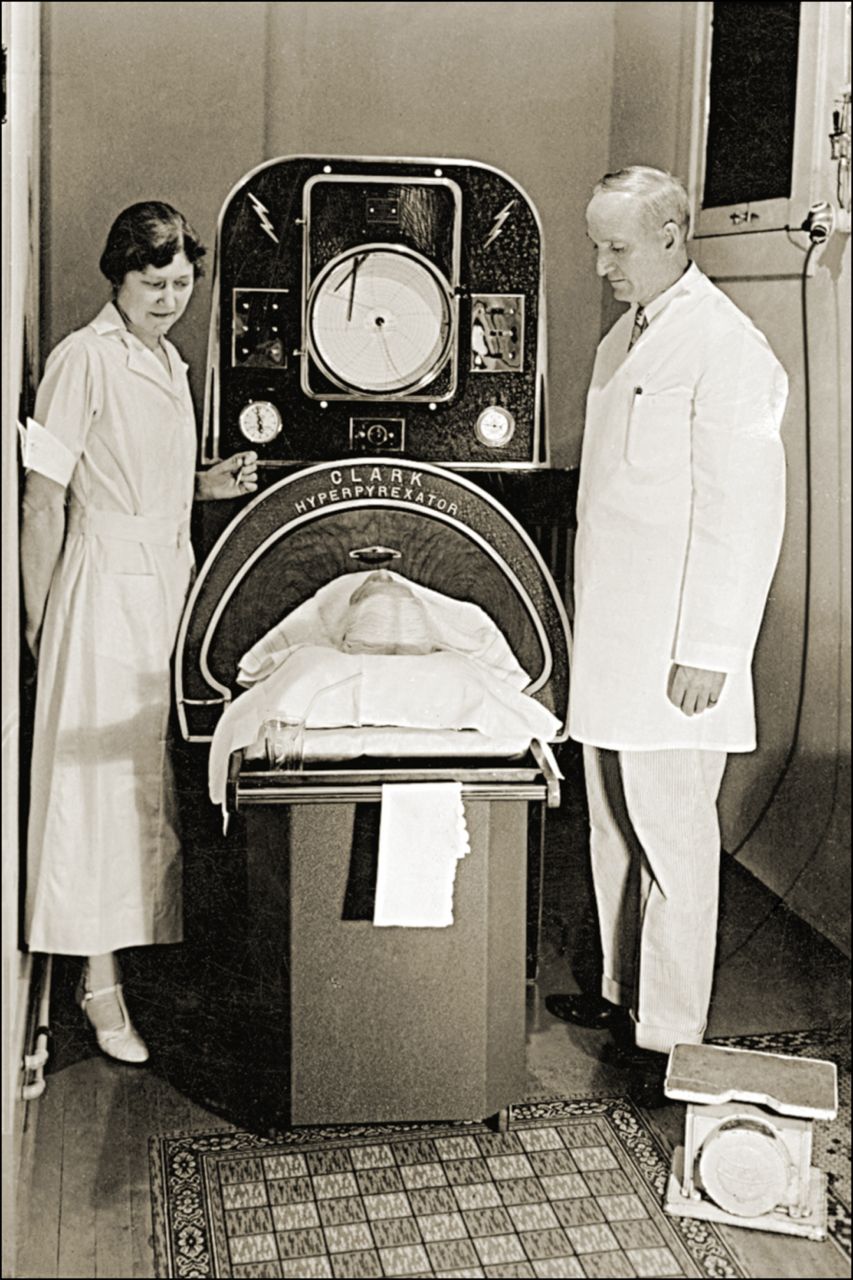
Every vaccine conversation that doesn’t involve two people agreeing that vaccines are “safe and effective” inevitably arches back to The Big Question — “But what about polio?” And rightly so — iron lungs and paralyzed children are horrific and frightening. But the truth lies far deeper than the story we’ve been told.
In this 14-minute clip from Dr. Suzanne Humphries’ appearance on The Joe Rogan Experience, she tackles the lesser-known history of polio: how transverse myelitis – a known side effect of many vaccines – presents with nearly identical symptoms; how arsenic poisoning — rampant among farmers — mimicked polio symptoms; and how the polio vaccine itself caused severe outbreaks of the disease. She also explains that 95% to 99% of polio cases are asymptomatic.
Dr. Humphries shares that certain native tribes tested 98% positive for polio exposure, yet showed none of the symptoms commonly associated with the disease in the U.S. Perhaps most disturbing is her account of a Rockefeller-funded lab that synthesized the most neuropathological strain of polio by combining monkey brains with human spinal serum. She said this lab-created, gain-of-function strain was then injected into monkeys — and “accidentally” released into the public. It caused the deadliest polio epidemic on record, with a 25% mortality rate.
Please listen to and share this clip with anyone who ever asks, “But what about polio?”
“Dr., Suzanne Humphries is a conventionally educated medical doctor who was a participant in the conventional hospital system from 1989 until 2011 as an internist and nephrologist. She left her conventional hospital position in good standing, of her own volition in 2011. Since then, she’s been furthering her research into the medical literature on vaccines, immunity, history and functional medicine. She is the author of ‘Dissolving Illusions: Disease, Vaccines and the Forgotten History.’ “
Transvere Myelitis is a common side effect often tied to the oral polio vaccine.
1. “Evidence for a causal association between oral polio vaccine and transverse myelitis: A case history and review of the Literature”
https://pubmed.ncbi.nlm.nih.gov/16630313/
2. “Distinguishing Child Polio-Like Illness from Similar Diseases”
https://www.hopkinsmedicine.org/news/newsroom/news-releases/2018/12/distinguishing-child-polio-like-illness-from-similar-diseases
3. “Why Doctors are Misdiagnosing Many Children With Polio”
https://www.healthline.com/health/acute-flaccid-myelitis
Aria Morgan is a writer and advocate dedicated to civil liberties, medical freedom, and free speech. As Director of Content at Free Now Foundation (2024–2026) and former Managing Editor of Children’s Health Defense–CA (2021–2024), she helped shape investigative storytelling efforts advancing informed consent and individual rights.
Aria bridges more than 30 years of embodied wellness practice and over 25 years of teaching with civic engagement. Her wellness work lives at DailyDowndog.com






I just asked Google’s AI: Did the Rockefeller University experiment with polio virus and monkey brains?
Below is the answer that I received…all of which CONFIRMS Dr. Humphrey’s serious concerns:
Yes, the Rockefeller Institute (now Rockefeller University) did experiment with polio virus and monkey brains, particularly in the early 20th century. Researchers like Simon Flexner and his associates at the Rockefeller Institute used monkeys to study polio and develop early vaccine candidates. They would passage poliovirus in primate brains, which increased the virus’s pathogenicity. In the 1930s, Albert Sabin and Peter Olitsky at the Rockefeller Institute also grew poliovirus in brain tissue from human embryos.
Here’s a more detailed look at their work:
Passaging poliovirus in primate brains:
Simon Flexner and his team at the Rockefeller Institute used Rhesus monkeys to study the spread of poliovirus. They would inject spinal cord tissue containing poliovirus from one monkey to another, a process that increased the virus’s ability to cause disease.
Early vaccine development:
Materials taken from polio-infected monkeys, such as monkey spinal cords, were used in early field trials of vaccine candidates in the 1930s.
Growing poliovirus in brain tissue:
Albert Sabin and Peter Olitsky successfully cultivated poliovirus in cultures of brain tissue from human embryos in 1936.
Inactivated polio vaccine (IPV):
Jonas Salk later used monkey kidney cells to grow poliovirus for the IPV, which was then inactivated and tested in monkeys.
Wow, thank you for all of this detail, Dana.
One more important comment:
When I asked Google’s AI: Did the Rockefeller University create a gain of function polio virus?
Their response was:
No, the Rockefeller University did not create a gain-of-function polio virus. The Rockefeller University was a pioneer in polio research, including developing methods for culturing the virus, but they did not intentionally create a virus with enhanced capabilities.
Basically, my two questions were really the SAME question but asked in a different way!
Interesting, eh?
Hi Dana, I’m not surprised, at all. Clever way to go around AI, so to speak. Thank you for sharing this!