
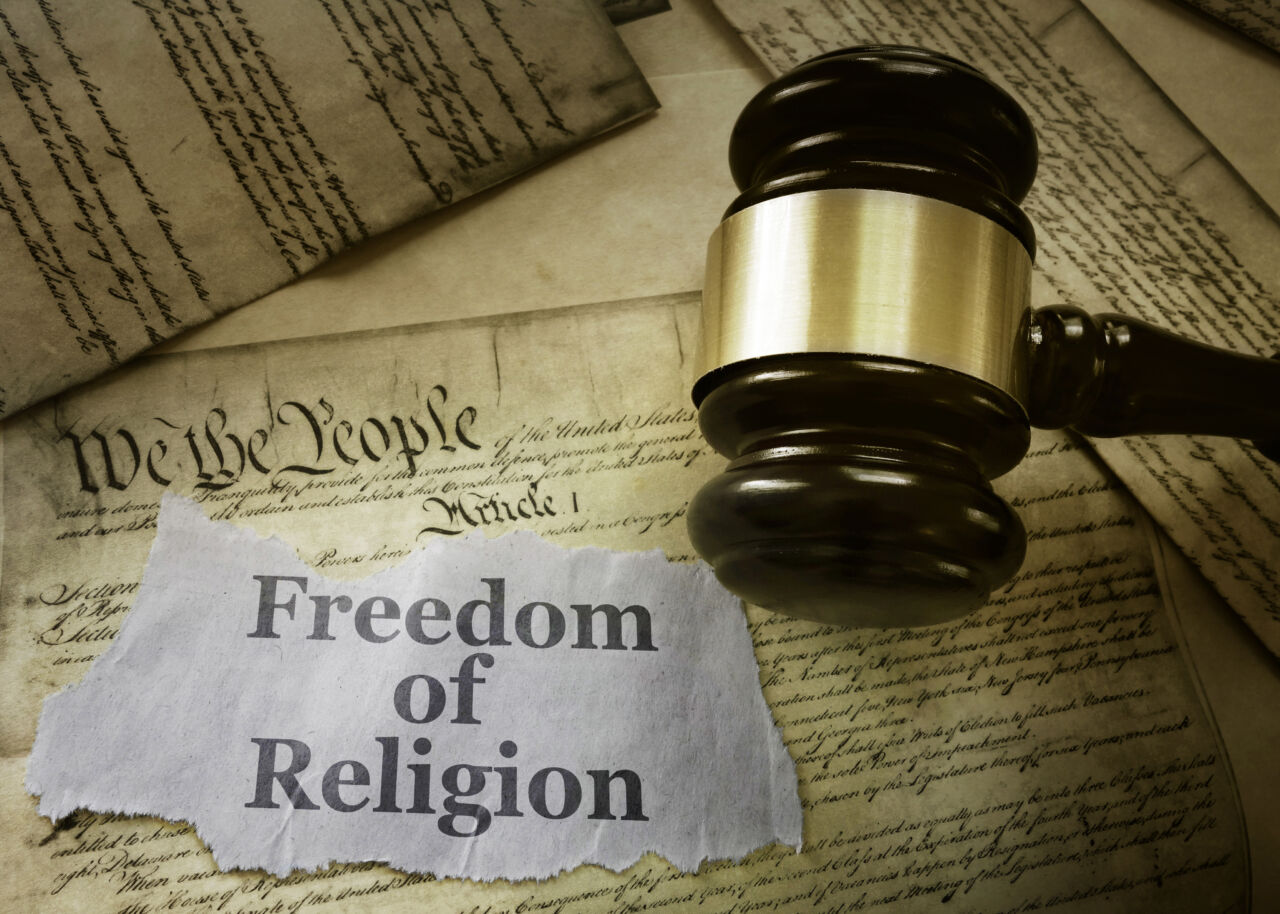
On January 16, 2025, the Oregon Court of Appeals ruled in favor of Alison K. Lavelle-Hayden, a Christian healthcare worker fired for her religious refusal to receive a COVID-19 vaccine. Rooted in the federal Title VII of the Civil Rights Act, this victory solidifies the importance of religious protections in employment law.
Background
At the height of the pandemic Alison K. Lavelle-Hayden requested a religious exemption for the COVID-19 vaccine from her employer, Legacy Health’s Good Samaritan Hospital (Legacy) in Portland. Her exemption was denied, even though Title VII and Oregon law allowed religious exemptions—and subsequently Legacy fired her for not receiving the vaccine.
“Lavelle-Hayden applied for unemployment benefits. For various reasons, both Oregon’s Office of Administrative Hearings and the state’s Employment Appeals Board (EAB) denied Lavelle-Hayden benefits, citing misconduct on her part.
Oregon’s Court of Appeals overturned the EAB’s first ruling in 2023, finding that the EAB’s decision was not supported by substantial evidence and remanding the case to the EAB for further consideration. After re-examining the evidence, the EAB found new reasons to deny Lavelle-Hayden unemployment benefits. Specifically, the EAB held that Lavelle-Hayden’s beliefs were not religious in nature – despite both compelling evidence to the contrary and Supreme Court rulings overwhelmingly supporting her position.”
– Pacific Justice Institute
Sincerely Held Religious Beliefs
In January of 2025, Pacific Justice Institute (PJI) appealed the decision and successfully argued that Lavelle-Hayden’s sincerely held religious beliefs were unfairly dismissed, resulting in her wrongful termination and denial of unemployment benefits. PJI’s motion reinforced a fundamental legal principle: employers cannot ignore or punish employees for adhering to their religious conviction
Pacific Justice Institute (PJI) successfully argued that Lavelle-Hayden’s sincerely held religious beliefs were unfairly dismissed, resulting in her wrongful termination and denial of unemployment benefits. PJI’s motion reinforced a fundamental legal principle: employers cannot ignore or punish employees for adhering to their religious convictions.
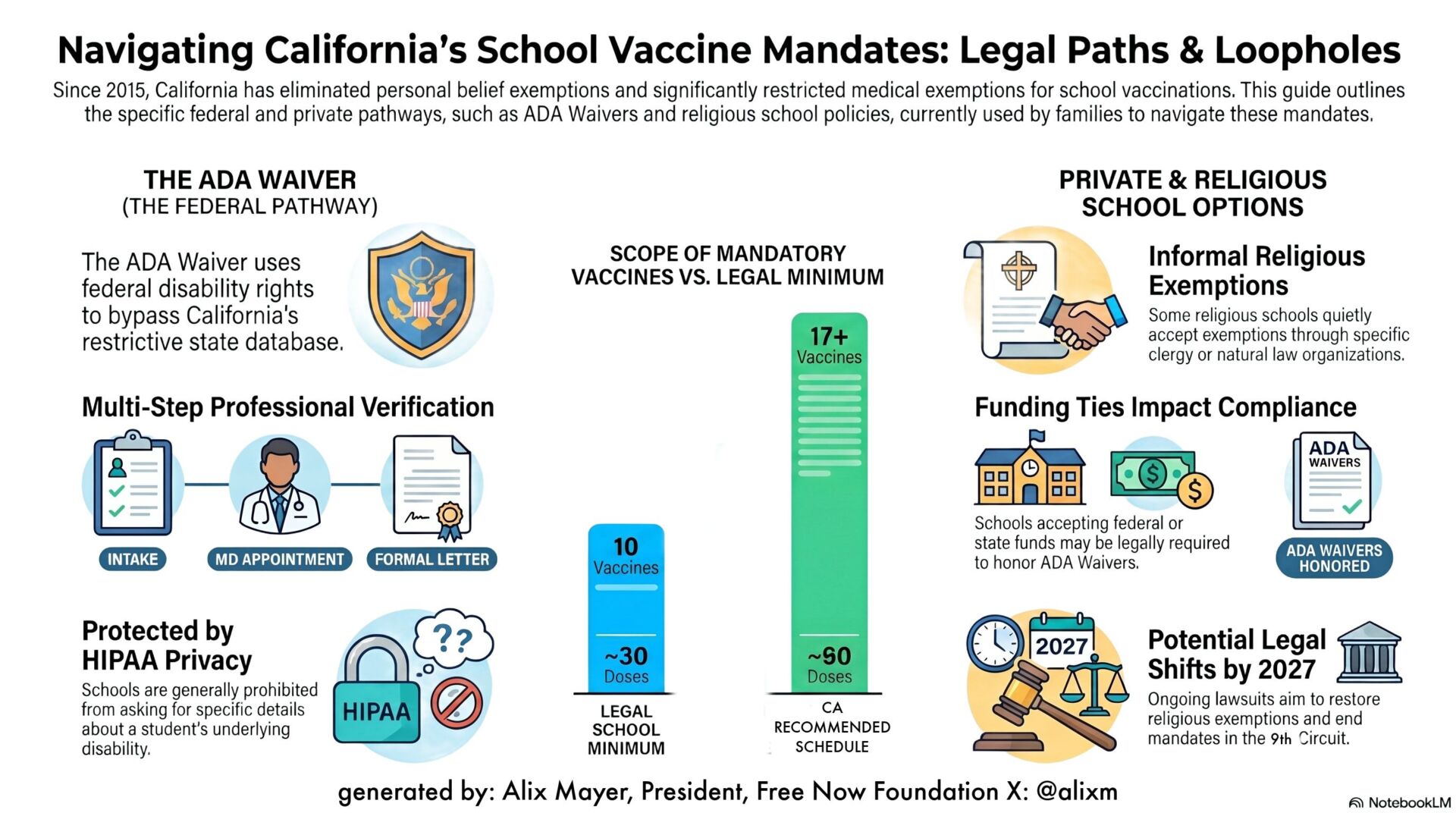
Although California’s legal landscape varies from Oregon’s and religious exemptions to vaccines in education are prohibited under health law by SB 277, Lavelle-Hayden’s case demonstrates the power and efficacy of using anti-discrimination employment laws to secure justice. In California, employers must uphold robust protections for religious beliefs and practice, which means that employees are protected under California’s Fair Employment and Housing Act and Title VII.
California’s Fair Employment and Housing Act and Title VII
Under California’s Fair Employment and Housing Act (FEHA) and Title VII, employees’ religious beliefs, practices, and observances are protected as a “protected class.” When these rights are infringed upon in the workplace, employees prevail in court, as seen in the recent BART case argued by our very own Jessica Barsotti. Employers are required to provide reasonable accommodations for employees’ religious beliefs, with the only exception that in doing so would impose an undue hardship on the operation of the business.
Religious Freedom in California
Even though health mandates may have narrowed the scope for religious exemptions, employment law remains a powerful tool to combat discrimination, and Lavelle-Hayden’s case helps Californians seeking to protect their rights.
“We the People” should not be coerced by any employer or bureaucrat into compromising our faith or convictions. Whether the issue is vaccination mandates, workplace policies, or other employment-related disputes, the law recognizes the importance of protecting religious beliefs.

Aria Morgan is a writer and advocate dedicated to civil liberties, medical freedom, and free speech. As Director of Content at Free Now Foundation (2024–2026) and former Managing Editor of Children’s Health Defense–CA (2021–2024), she helped shape investigative storytelling efforts advancing informed consent and individual rights.
Aria bridges more than 30 years of embodied wellness practice and over 25 years of teaching with civic engagement. Her wellness work lives at DailyDowndog.com




0 Comments